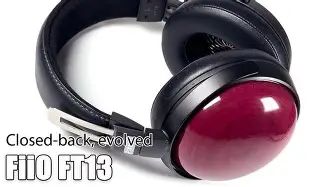
Difference Between Dali Kupid and Fiio Ft13 Wired Headphones Explained
When choosing wired in-ear headphones (IEMs), buyers encounter a wide range of designs, tunings, and intended uses. Two models that often appear in comparisons are the Dali Kupid and the Fiio Ft13. Both aim to serve listeners who care about sound quality and build, but they approach design and tuning with different priorities. This article breaks down their differences in a practical, buyer-focused way: how they sound, how they fit, what real-world users will experience, and which situations each model suits best.
Introduction: Who these IEMs are for
The Dali Kupid and Fiio Ft13 target slightly different audiences within the wired IEM market. The Dali Kupid is often presented as an option for listeners who prioritize a musical, engaging midrange and natural timbre — people who want an enjoyable, detailed listen without aggressive coloration. The Fiio Ft13 tilts toward value-minded listeners and enthusiasts who appreciate a balanced or slightly V-shaped presentation, good technical performance for the price, and practical accessory bundles.
Buyers typically care most about three things: sound signature (does it match the genres they listen to?), comfort and fit (can they wear it for extended sessions?), and how the IEMs pair with their devices (phones, DAPs, or portable amps). The sections below analyze each product under those lenses and provide a direct comparison and a buying guide to help make the decision easier.
Detailed product analysis
Dali Kupid — Design and build
The Dali Kupid emphasizes a clean, refined aesthetic with an attention to finishing and materials. The housings feel carefully machined and polished, giving a premium first impression. Cables bundled with the product (if included) tend to be of good quality with durable terminations; replacement cables and aftermarket upgrades are available for users who want a different connector or improved ergonomics.
Comfort-wise, the Kupid is designed for extended listening sessions. Its ergonomics favor passive isolation without pressing too hard into the ear canal, which makes it a solid choice for home listening and commute use where long wear times are common.
Dali Kupid — Sound characteristics
Listeners commonly describe the Kupid as having a musical midrange focus. Vocals and acoustic instruments are presented with clear texture and natural weight, which benefits genres such as singer-songwriter, jazz, and acoustic rock. The treble is generally controlled and refined rather than exaggerated, so cymbals and hi-hats retain realism without brittle sibilance. Bass performance supports the lower register with a pleasing presence rather than dominating the mix, making the overall signature balanced yet warm.
In practical terms, the Kupid is forgiving with lower-quality audio streams and still retains musicality with compressed sources. This reliability makes it attractive to listeners who use their phones for varied streaming situations.
Fiio Ft13 — Design and build
Fiio has a reputation for delivering strong value, and the Ft13 follows that approach. The build quality is solid for the price range, with ergonomic housings designed to sit securely during active use. The cable included often features practical length and a tangle-resistant sheath; connectors are typically standardized, making it straightforward to swap cables for upgrades.
Fit is comfortable but slightly different in character from the Kupid — it tends to be a touch more isolating, which benefits commuters and travelers who need passive noise reduction. The Ft13’s form factor also makes it a good candidate for activity-based listening like walking or light exercise.
Looking for the best Audio & Headphones deals on Amazon?
Browse Now →Fiio Ft13 — Sound characteristics
The Ft13 is commonly described as having a balanced or mildly V-shaped sound signature: energetic bass, clear treble extension, and a slightly recessed midrange in comparison to mid-centric IEMs. This tuning suits genres that benefit from impactful bass and sparkle — electronic music, hip-hop, and pop. Ensemble imaging and soundstage are generally good for the category, with instrument separation that makes detailed tracks engaging.
The Ft13 pairs well with smartphones and portable players. It can reveal detail with higher-resolution sources, and listeners who like a little extra punch in the low end will appreciate its presentation.
Real-world performance and use cases
Commuting and travel
The Fiio Ft13’s stronger passive isolation and punchy bass make it a practical commuter choice. It helps mask surrounding noise on trains and planes and keeps music enjoyable at lower volumes. The Dali Kupid will also work in these settings but may require slightly higher volume levels to overcome ambient sound due to its more open midrange bias.
Home and critical listening
For at-home listening and critical evaluation of recordings, the Dali Kupid’s midrange accuracy and musicality give it an edge. It is well-suited to listeners who prioritize vocal clarity and natural tonal balance while evaluating mixes or enjoying acoustic performances.
Workouts and active use
Although neither is marketed as a sports-focused model, the Fiio Ft13’s fit and isolation make it the better pick for light workouts and outdoor runs. The Kupid’s comfort and passive isolation are strong but lean toward longer, more relaxed listening sessions rather than vigorous activity.
Studio reference and monitoring
Neither model is a studio-grade reference monitor in the professional sense; however, the Dali Kupid’s neutral-to-musical midrange assists in assessing vocal takes and instrument tone, while the Ft13 helps audition mixes for consumer impact (how tracks translate to popular listening contexts where bass and sparkle matter).
Accessories, cables, and compatibility
Both brands tend to offer a reasonable accessory package: multiple eartip sizes, a carrying case, and a cable with common connectors. The presence of multiple tip sizes is critical for fit and bass response tuning; swapping tips can significantly alter perceived bass and isolation.
Regarding device compatibility, both IEMs are designed to work well with mobile devices. Listeners who plan to use desktop DAC/amps or portable DAPs can still pair either model successfully; the Kupid may reveal more tonal subtleties when fed from a higher-quality source, while the Ft13 can be driven easily from many phones and remains enjoyable without amplification.
Pros & Cons
Dali Kupid — Pros
- Musical midrange: Vocals and acoustic instruments sound natural and engaging.
- Refined treble: Controlled highs with minimal harshness on bright recordings.
- Comfort: Ergonomics designed for extended listening sessions.
- Build quality: Premium finishing and durable connectors.
- Versatile for casual and critical listening: Good for a wide range of genres where timbre matters.
Dali Kupid — Cons
- Less isolation: Not ideal for very noisy environments without higher volume.
- Not bass-forward: Listeners seeking heavy sub-bass impact may prefer alternatives.
- Price sensitivity: May be positioned at a premium relative to similarly specced competitors.
Fiio Ft13 — Pros
- Punchy bass response: Energetic low end suited for modern, bass-forward genres.
- Good value: Strong feature-to-price ratio common to Fiio products.
- Passive isolation: Effective noise blocking for commuting and travel.
- Robust accessory bundle: Practical cable and tip selection for most ears.
- Device-friendly: Works well directly from phones and portable players.
Fiio Ft13 — Cons
- Midrange can feel recessed: Vocals may sit slightly behind bass and treble in complex mixes.
- Treble can be bright for some: Sensitive listeners may encounter sibilance on some recordings.
- Less refined timbre: Compared with higher-end, mid-centric models, tonal accuracy is competent but less nuanced.
Side-by-side comparison
| Category | Dali Kupid | Fiio Ft13 |
|---|---|---|
| Sound Signature | Mid-focused, musical, warm treble | Balanced to V-shaped, bass-forward, energetic treble |
| Best For | Vocal-forward genres, critical listening, home use | Commute, electronic and pop music, active listeners |
| Comfort | Very comfortable for long sessions | Comfortable, secure fit for active use |
| Isolation | Moderate | Strong |
| Build & Accessories | Premium finish, quality cable options | Sturdy build, generous accessory pack |
| Device Pairing | Performs well with phones; benefits from higher-quality sources | Excellent with phones and portable players without amplification |
| Value | Premium positioning for tonal quality | Very competitive price-to-performance |
Buying guide: How to choose between them
1. Identify preferred sound signature
Ask whether vocals and acoustic instruments are most important, or if impact and bass weight matter more. If the former, the Dali Kupid’s midrange emphasis will likely be more satisfying. If the listener wants a more exciting, bass-driven presentation for modern music, the Fiio Ft13 is a strong candidate.
Looking for the best Audio & Headphones deals on Amazon?
Browse Now →2. Consider typical listening environments
Commuters and travelers should prioritize isolation and secure fit; the Ft13 has the edge here. Home listeners who spend long periods evaluating music or enjoying quiet listening sessions should prioritize comfort and timbre — areas where the Kupid shines.
3. Check device and amplification plans
If the plan is to use only a smartphone or a portable player without additional amplification, favor models that are efficient and tuned to sound good from modest sources. The Ft13 generally offers enjoyable performance straight from phones. The Kupid can still be used with phones but benefits more from a higher-quality source or a small DAC/amp to show its best tonal balance.
4. Fit and eartips matter
Neither model will perform optimally without the right eartip for the listener’s ear canal. Buyers should look for models that provide multiple tip sizes and consider third-party tips (memory foam or high-density silicone) if isolation or bass needs improving.
5. Durability and warranty
Consider build quality and warranty/support reputation. Fiio’s products often emphasize reliability and practical warranties; Dali’s reputation in speakers may translate into well-built IEMs and attentive support. Confirm warranty terms from the seller before purchasing.
6. Try before you buy when possible
Sound is subjective. If a local retailer allows in-person trials, testing both models with familiar tracks is the most reliable way to determine the best match. Pay attention to how each model reproduces vocals, bass weight, and how comfortable they feel after 30–60 minutes of listening.
Tips for getting the best sound
- Use the right eartips: Small changes in tip size can dramatically alter bass and staging.
- Match the source: Mildly warm or neutral IEMs pair well with brighter sources; bright IEMs may benefit from warmer DACs or tone controls.
- Volume and burns-in: Some listeners report slight tonal shifts after extended play; allow a few days of normal use before making a final judgment.
- EQ with care: A small amount of equalization can tailor the sound to taste — e.g., slight bass boost for more impact or gentle treble lift for more air.
- Maintain cables and tips: Replace worn tips and avoid sharp bends in cables to preserve performance and longevity.
Conclusion
The choice between the Dali Kupid and the Fiio Ft13 ultimately comes down to priorities. The Dali Kupid is tailored toward listeners who prioritize natural timbre, vocal presence, and long-session comfort — a great option for at-home listening, acoustic-focused music, and anyone who values musical realism. The Fiio Ft13 provides a compelling alternative for listeners who want energetic bass, strong isolation, and straightforward value — well-suited for commuting, modern music, and use directly with mobile devices.
Both models deliver strengths that align with common buyer concerns: sound quality, comfort, and compatibility with everyday devices. By weighing the factors outlined above — preferred sound signature, typical listening environment, and source gear — prospective buyers can select the IEM that best fits their listening habits. Trying each model with familiar tracks when possible remains the most practical way to confirm which one matches a listener’s personal taste.